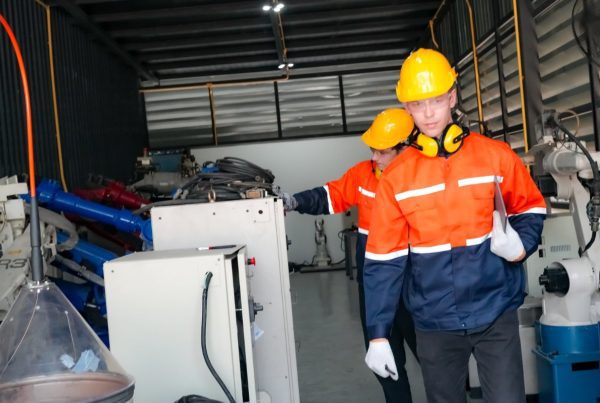

When manufacturers think about cyber risk, they often picture stolen customer data. Yet the bigger threat is usually downtime. Ransomware can lock up scheduling systems, shut down connected machines, and stop shipments within hours. For a plant running tight delivery schedules, every hour offline costs money and customer trust. Manufacturing cyber insurance is designed to help you recover from that kind of event. However, policies vary widely, and carriers now expect strong security controls before they offer coverage. Here is what to know.
Why Manufacturers Are Prime Targets
Manufacturing has ranked as the most attacked industry in IBM’s X-Force Threat Intelligence Index for several years running. Attackers know that plants cannot afford long shutdowns. That pressure makes manufacturers more likely to pay a ransom. In addition, many facilities run older equipment connected to modern networks. Those links create openings that are hard to monitor. Smaller and midsize manufacturers are especially exposed, because they often lack a dedicated security team.
What Manufacturing Cyber Insurance Covers
A well-built manufacturing cyber insurance policy addresses both your own losses and claims from others. Key coverages usually include:
-
Business interruption from a network outage, including lost income and extra expense.
-
Incident response costs, such as forensic investigators, legal counsel, and notification.
-
Data restoration and system rebuilding after an attack.
-
Cyber extortion and ransomware response.
-
Liability for data breaches affecting clients, partners, or team members.
Pay close attention to waiting periods and sublimits on business interruption. Those details often decide how much a policy pays after a shutdown.
Gaps in Other Policies
Many manufacturers assume their property or general liability policy covers a cyberattack. In most cases, it does not. Property policies typically require physical damage, and a ransomware event usually causes none. Likewise, crime policies may not respond to funds lost through social engineering without specific coverage. Funds transfer fraud, where a fake vendor email redirects a payment, remains a common loss. A dedicated cyber policy, paired with the right crime coverage, closes these gaps.
Controls Carriers Expect
Carriers now look closely at security before they quote. Multifactor authentication for email and remote access is often required. Offline, tested backups are equally important. Carriers also ask about endpoint detection tools, phishing training, and patching practices. Meeting these standards can improve both pricing and terms. Better still, the same controls reduce the chance of an attack in the first place.
Plant floor systems need attention, too. Production equipment, programmable controllers, and monitoring tools are often connected to the same network as office computers. Separating those networks limits how far an attack can spread. Likewise, restricting remote vendor access to what each vendor truly needs closes a common entry point. These steps rarely require new equipment. Instead, they depend on clear ownership between operations and IT, which many midsize plants are still building.
Preparing Before an Attack
The best time to plan for a cyber event is before it happens. Start by identifying which systems would halt production if they went down. Next, build an incident response plan that names who to call first. Then confirm your backups can restore those systems quickly. Finally, run a short tabletop exercise with your leadership team so everyone knows their role. A plan that has been practiced works far better under pressure. At Kapnick Insurance, we help manufacturers evaluate cyber exposure, meet carrier requirements, and choose coverage that fits how their plants operate. If you have not reviewed your cyber protection recently, a short conversation can show where you stand.